Spiral Bevel Gear
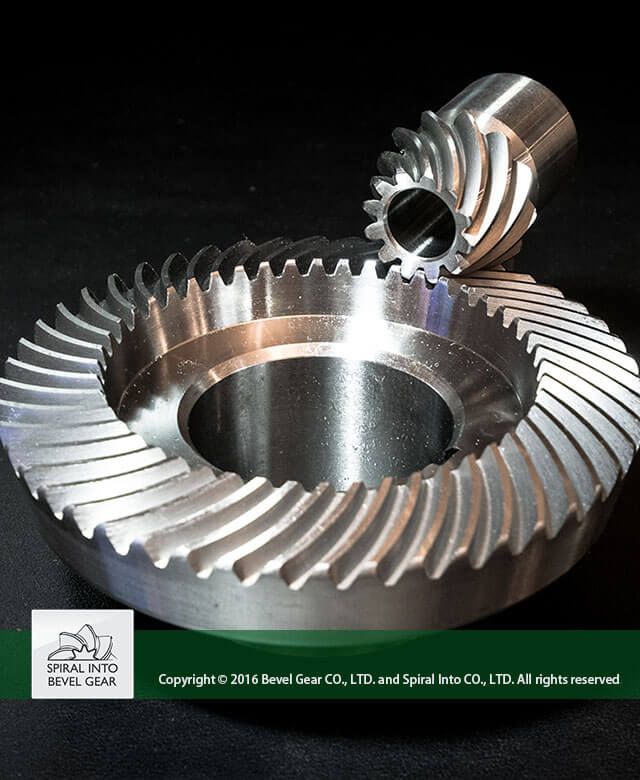
Spiral Bevel Gear
Drives for precision pneumatic tools, outboard motors, right-angle gear reducers and machine tools, with applications in robotics and smart strength-training equipment.
Explore product + Bevel Gear Co., Ltd傘乙齒輪股份有限公司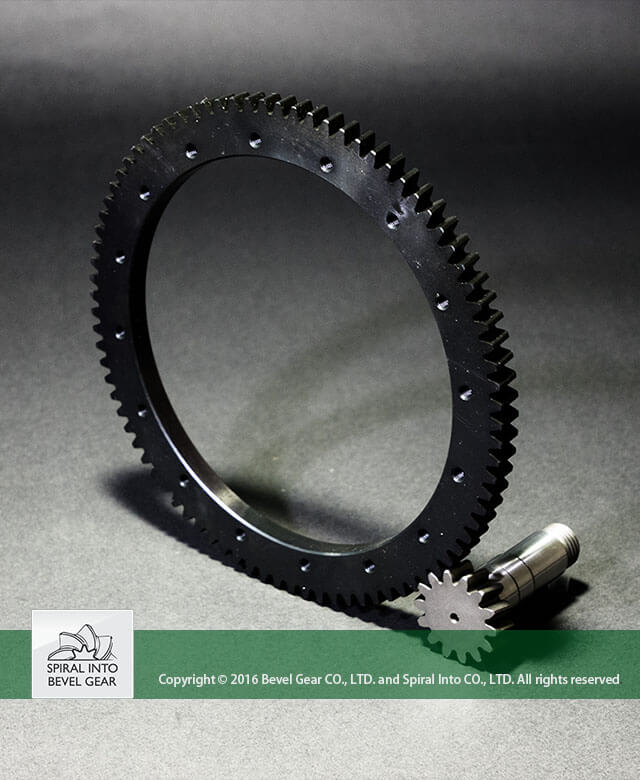
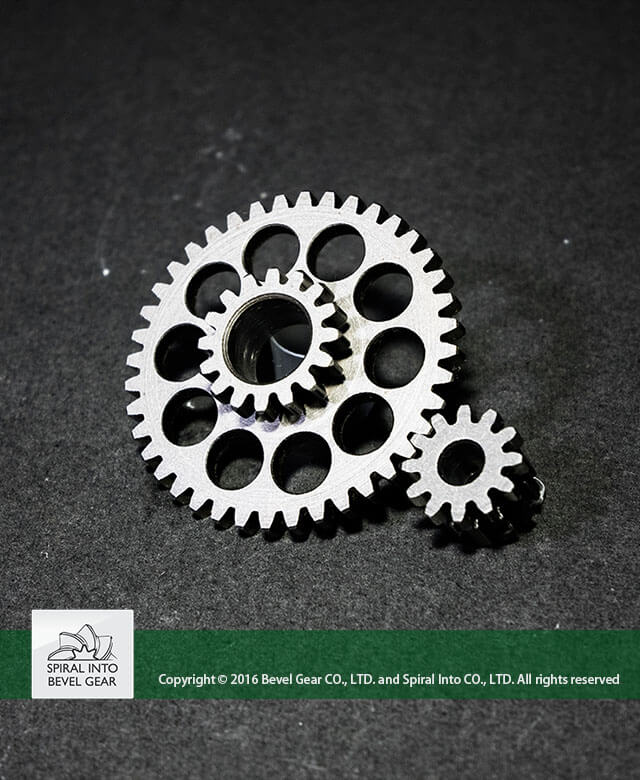
Helical & Spur Gear
Gear drives for various machine tools, planetary reducers and automation equipment, including robotic reduction mechanisms and medical drive mechanisms.
Bevel Gear Co., Ltd provides custom production services based on your drawings and project requirements. Contact us to confirm specifications, materials, quantities and lead times.
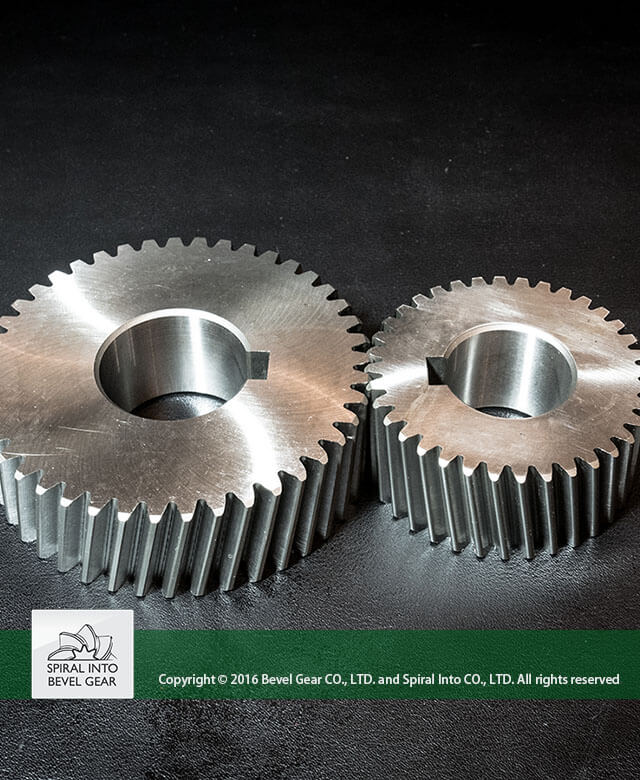
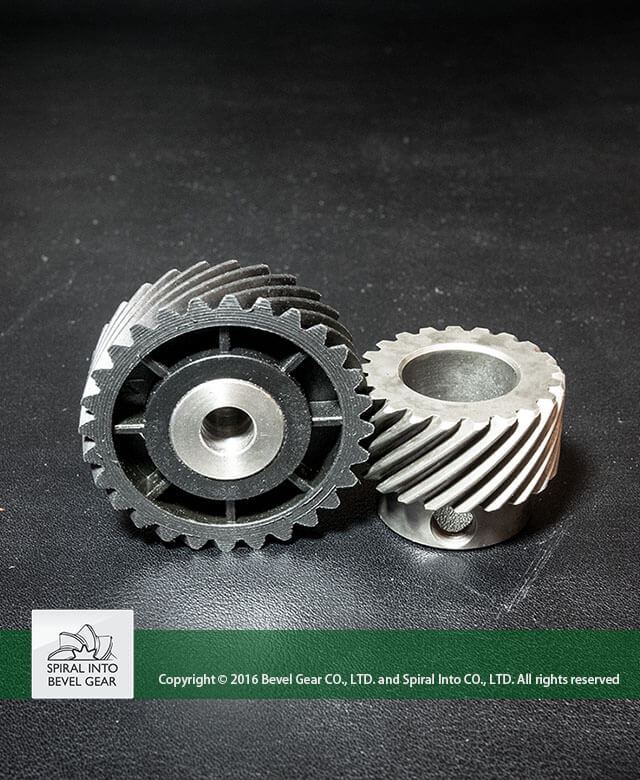
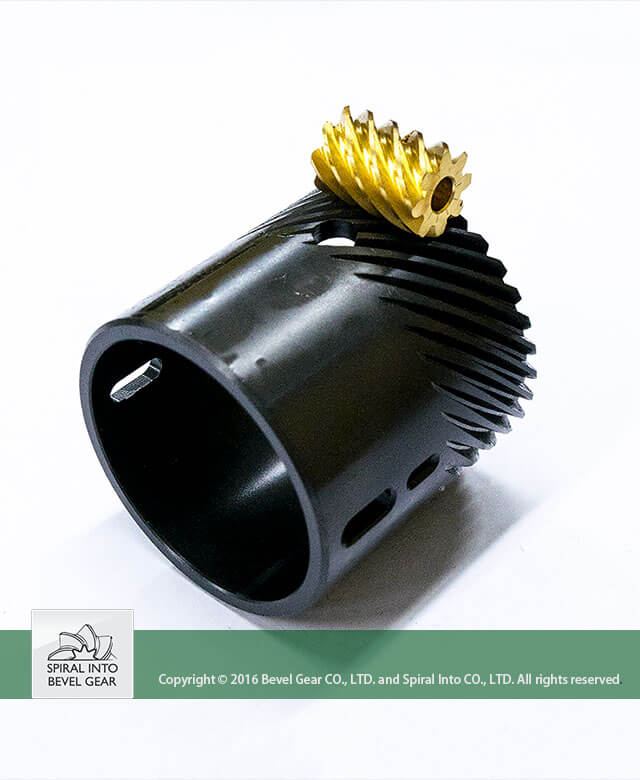
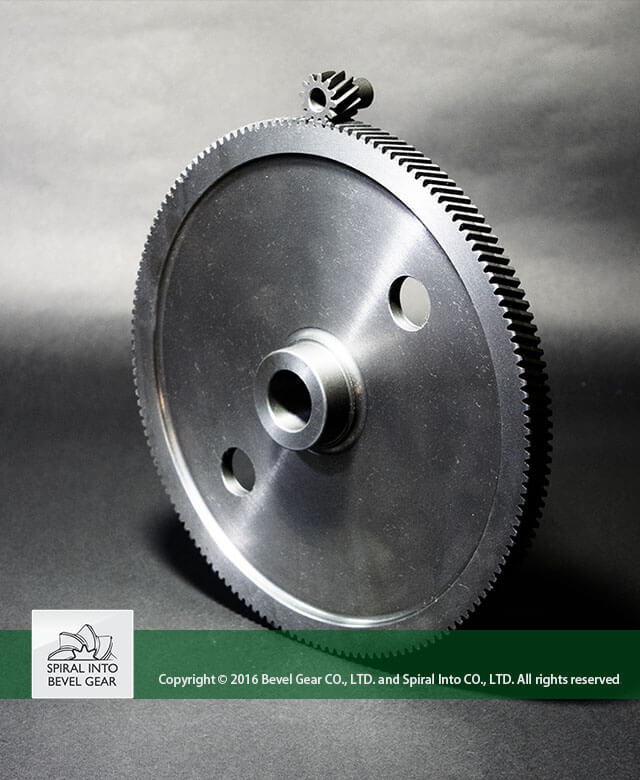
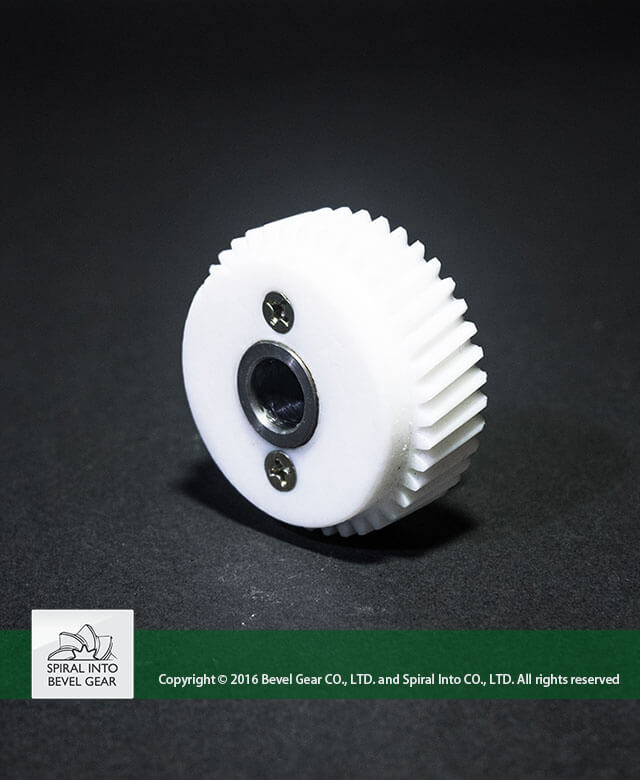
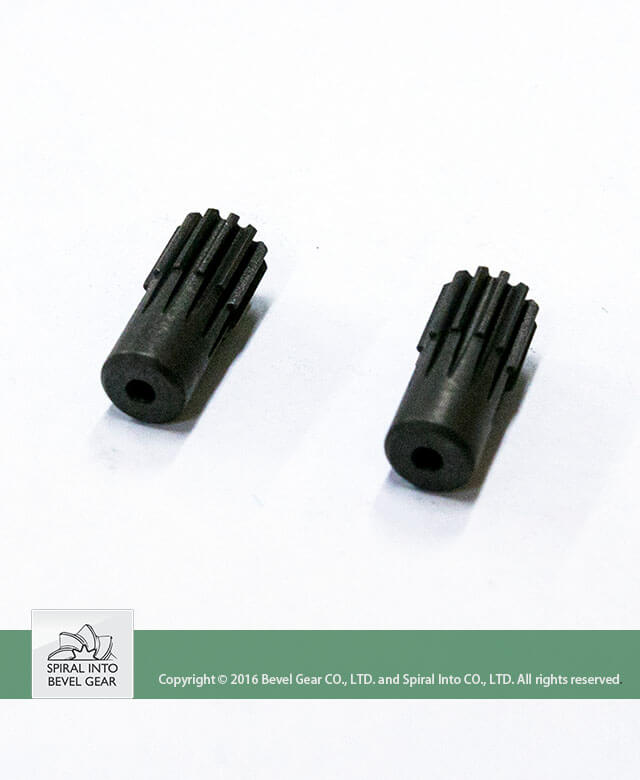
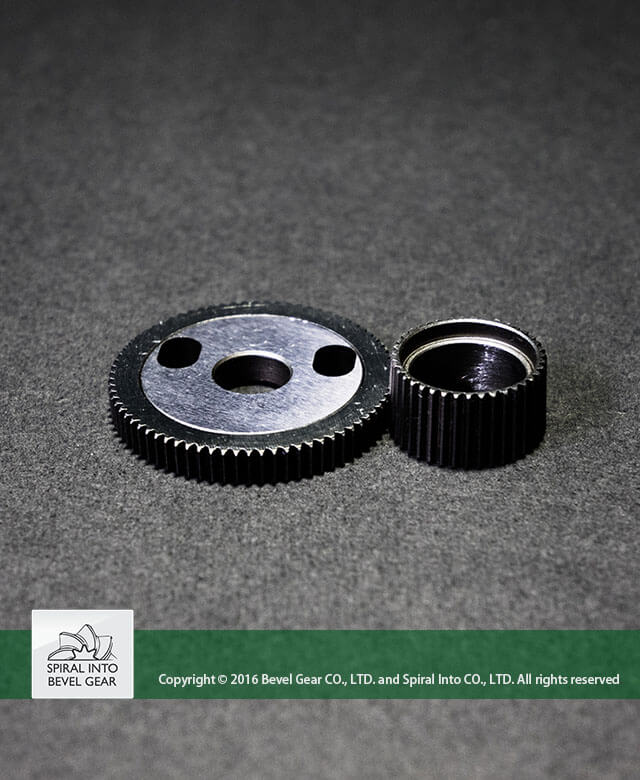
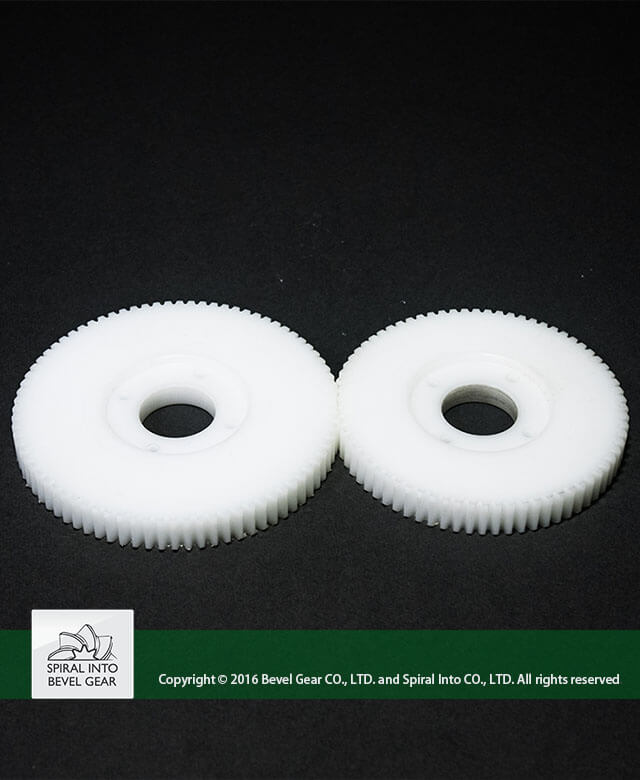
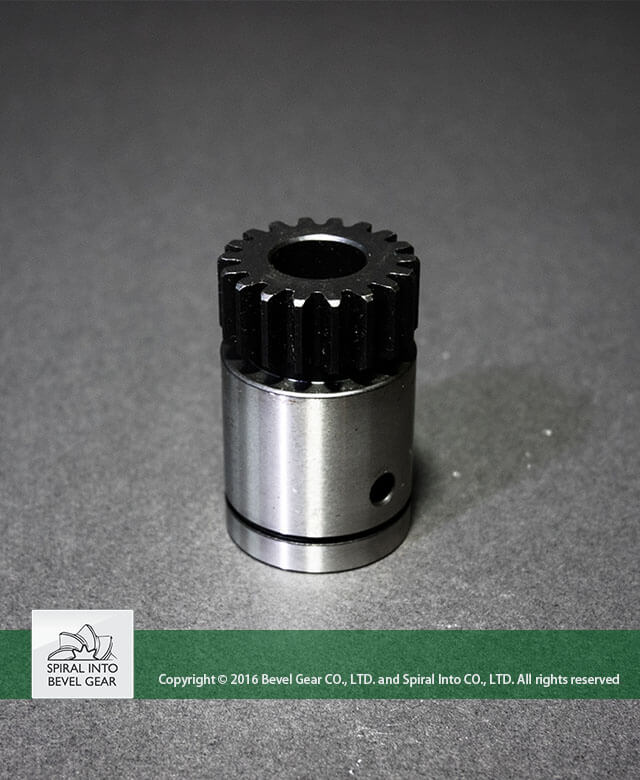
Inquire about this productSpur gear teeth run parallel to the shaft. Parallel-axis helical gears engage progressively along inclined teeth, supporting greater continuity of contact. Single-helical gears generate axial thrust and need suitable bearing support. Both require assessment of tooth-root strength and contact fatigue.
Spur gears commonly provide parallel-shaft reduction, roller synchronization, feeding and general machine drives. Helical gears serve reducers, machine tools and conveying drives requiring smoother continuous operation. Packaging and food-processing mechanisms, and sun and planet gears in planetary reducers, may use spur or helical teeth according to design. Compare center distance, ratio, backlash, noise and efficiency; helical gearing also requires axial-thrust and bearing checks.
Distinguish normal from transverse module on the drawing. Specify pressure angle, helix angle and hand, center distance, backlash and accuracy. Equal numerical modules do not guarantee compatibility across systems. Also discuss heat-treatment distortion and finishing requirements.
No. Smooth engagement must be balanced against thrust, bearing layout, manufacturing and cost. Choose for the operating conditions rather than the gear label alone.
Select a photo to view it larger.
Drives for precision pneumatic tools, outboard motors, right-angle gear reducers and machine tools, with applications in robotics and smart strength-training equipment.
Explore product +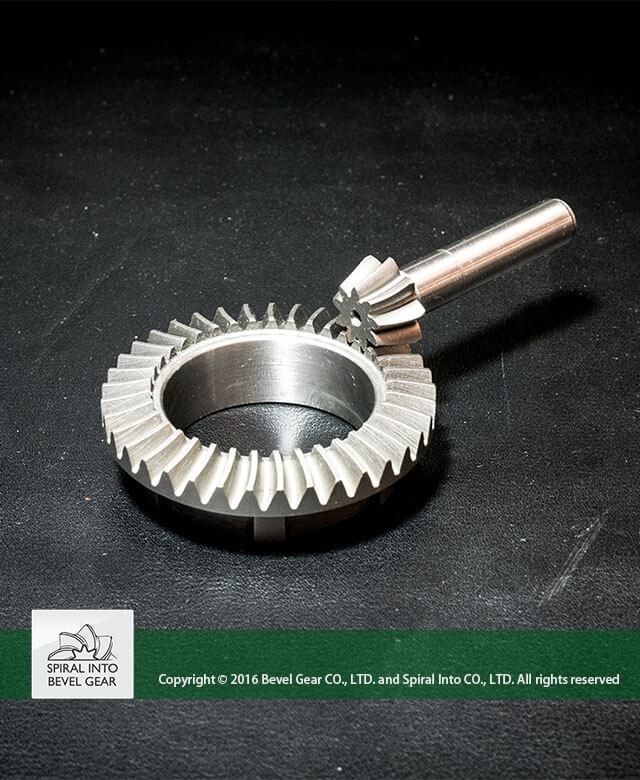
Hypoid gears for offset-axis reduction; Zerol for intersecting-axis drives in industrial sewing machines and tools. Select by shaft layout.
Explore product +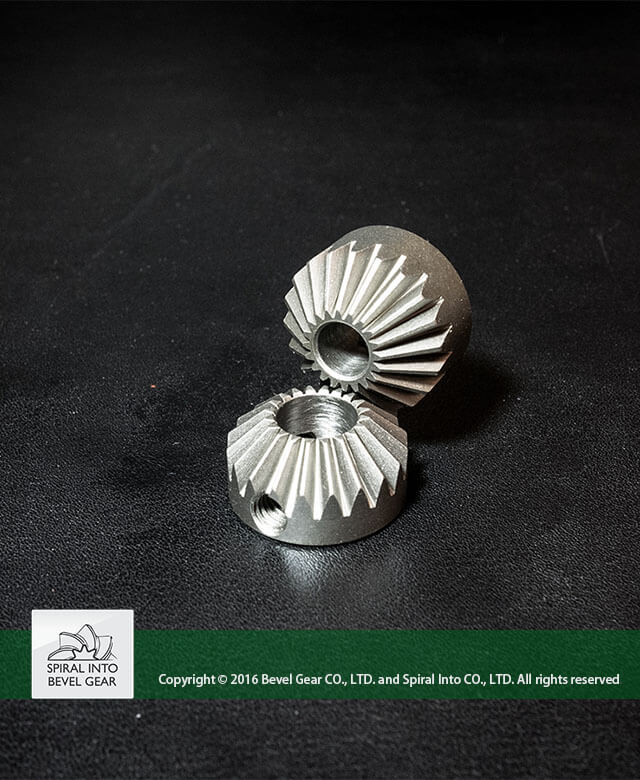
Angle drives in agricultural and general machinery, manual adjustment and low-speed mechanisms; also consider furniture and fitness-equipment angle adjustment.
Explore product +